Dental Implants Last 25+ Years—Here’s Why Some Fail Early

Emergency Tooth Pain in Olds, AB
July 27, 2026
Your Smile’s Hidden Power: Why Confidence Changes Everything
August 10, 2026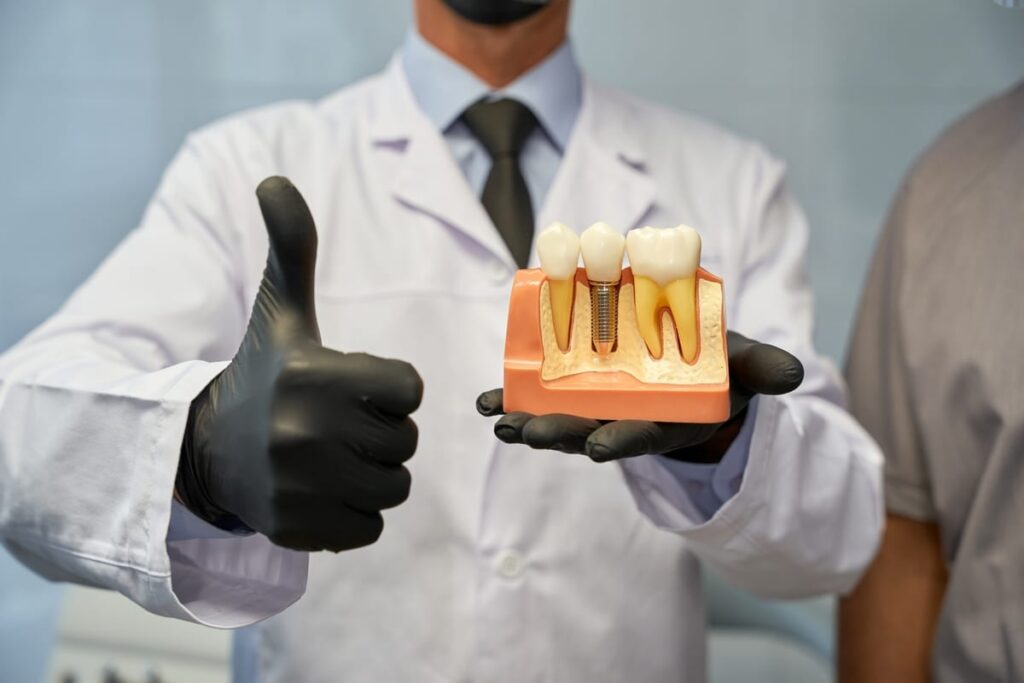
Dental implants are one of the most durable tooth replacement options available today. Many patients in Olds, AB ask the same question: how long do dental implants actually last? The honest answer is that dental implants last 25+ years—and why some fail early in Olds often comes down to a handful of preventable factors. Understanding those factors puts you in control of your long-term outcome.
At West Olds Dental, Dr. Olivia Cui helps patients understand what influences implant longevity. This article breaks down the lifespan of dental implants, the most common reasons they fail, and the steps you can take to make yours last a lifetime.
How Long Do Dental Implants Really Last?
Dental implants have an impressive track record. Clinical studies show that implants placed by skilled clinicians have a 10-year survival rate exceeding 95%. Many patients enjoy fully functional implants for 25 years or longer. Some implants placed in the 1980s are still in place today.
An implant is made of three parts: a titanium post, an abutment, and a crown. The titanium post fuses directly with your jawbone through a process called osseointegration. This fusion is what makes implants so stable and long-lasting.
The crown on top typically lasts 10–15 years before it may need replacement due to normal wear. The implant post itself, when properly maintained, can last a lifetime. That distinction matters when patients are comparing their options.
Key Factors That Help Dental Implants Last 25+ Years in Olds
Not all implants are created equal in terms of lifespan. Several factors significantly extend how long your implant will last. Knowing these factors helps you make informed decisions before and after your procedure.
- Good oral hygiene: Brushing twice daily and flossing around the implant prevents gum disease that can loosen the post.
- Regular dental checkups: Routine visits allow early detection of any issues before they become serious.
- Healthy bone density: A strong jawbone supports stable osseointegration from the start.
- Non-smoking status: Smokers face significantly higher implant failure rates due to reduced blood flow to gum tissue.
- Controlled systemic health: Managing conditions like diabetes supports proper healing around the implant.
- Proper bite alignment: Teeth that fit together correctly reduce excessive pressure on the implant crown.
Dr. Olivia Cui evaluates all of these factors before recommending implants to patients in Olds. A personalized assessment helps predict your long-term success and identify any concerns upfront.
Why Some Dental Implants Fail Early—And How to Avoid It
Early implant failure typically occurs within the first year. It is less common than late failure but often more distressing for patients. Understanding the causes helps you take proactive steps.
The most common cause of early failure is peri-implantitis, a gum infection around the implant site. It develops when bacteria accumulate and the surrounding tissue becomes inflamed. Left untreated, it destroys the bone holding the implant in place.
Other early failure causes include:
- Insufficient bone volume at the implant site
- Medical conditions that impair healing, such as uncontrolled diabetes
- Smoking during the healing period
- Overloading the implant before osseointegration is complete
- Poor surgical technique or improper implant positioning
Late failures—those occurring after the implant has fully integrated—are usually linked to long-term neglect. Skipping dental visits, poor oral hygiene, and teeth grinding all accelerate implant deterioration over time.
If you ever experience pain, swelling, or implant movement, seek care quickly. Prompt attention can often save an implant that might otherwise be lost. Emergency Dentistry Olds services are available at West Olds Dental for exactly these situations.
How Your Dentist in Olds Can Protect Your Implant Investment
Choosing the right dental team is one of the most important decisions you can make. An experienced clinician like Dr. Olivia Cui takes time to plan each implant procedure precisely. Proper planning reduces the risk of placement errors that can shorten implant lifespan.
At West Olds Dental, every implant consultation includes a full evaluation of bone structure and gum health. If bone grafting is needed to support the implant, that step is addressed before placement. This foundation work makes a measurable difference in long-term outcomes.
Ongoing maintenance is equally important. Your dental team will monitor the implant at each visit and clean areas that are difficult to reach at home. Early intervention keeps small issues from becoming costly problems.
Patients who also want to improve the appearance of surrounding teeth often explore Cosmetic Dentistry Olds options. Veneers and teeth whitening can complement an implant beautifully for a complete, confident smile.
Daily Habits That Add Years to Your Dental Implant
Your daily routine has a direct impact on how long your implant lasts. Small consistent habits build up to decades of reliable function. Dr. Olivia Cui recommends the following practices to every implant patient at West Olds Dental.
Use a soft-bristled toothbrush and non-abrasive toothpaste. Abrasive products can scratch the crown surface over time. Floss daily using implant-specific floss or an interdental brush to clean under the gumline effectively.
If you grind your teeth at night, talk to Dr. Cui about a custom nightguard. Grinding creates pressure that can crack the crown or loosen the implant post. A nightguard is a simple solution that protects your investment while you sleep.
Avoid chewing on hard objects like ice, pen caps, or hard candy. These habits put excessive force on the crown and increase fracture risk. Protecting your implant from unnecessary stress is one of the easiest ways to extend its life.
Conclusion: Your Implant Can Last a Lifetime With the Right Care
Dental implants are a long-term investment in your health, confidence, and quality of life. With proper placement, diligent home care, and regular professional maintenance, most implants last well beyond 25 years. The key is understanding what threatens that longevity—and acting on that knowledge early.
Dr. Olivia Cui and the team at West Olds Dental are here to guide Olds patients through every stage of the implant journey. From initial consultation to long-term maintenance, you will have expert support every step of the way. Book Now to schedule your appointment with our team.
Frequently Asked Questions
How long do dental implants last on average?
With proper care, dental implants last 25 years or longer. The titanium post can last a lifetime, while the crown on top may need replacement after 10–15 years of normal wear. Regular dental visits significantly extend overall implant lifespan.
What is the most common reason dental implants fail?
Peri-implantitis—a bacterial infection around the implant—is the leading cause of implant failure. It develops when oral hygiene is neglected and bacteria accumulate around the gumline. Early detection and treatment can often prevent full implant loss.
Can smoking affect how long a dental implant lasts?
Yes, smoking significantly increases the risk of implant failure. Smoking reduces blood flow to gum tissue, which slows healing and weakens the bond between the implant post and jawbone. Quitting smoking before and after implant placement greatly improves success rates.
Is dental implant failure painful?
Failing implants often cause noticeable symptoms including pain, swelling, bleeding around the implant site, or a sensation that the implant is loose. If you experience any of these signs, contact your dental team right away. Early treatment offers the best chance of saving the implant.
How often should I visit the dentist after getting a dental implant?
Most dentists recommend checkups every six months after implant placement. However, your dentist may suggest more frequent visits during the healing period. Regular professional cleanings remove bacteria that home brushing cannot reach, protecting the implant long-term.