Dental Implants Recovery Guide in Olds, AB

Broken Tooth Emergency in Olds, AB
June 29, 2026
Smile Makeover Journey in Olds, AB
July 13, 2026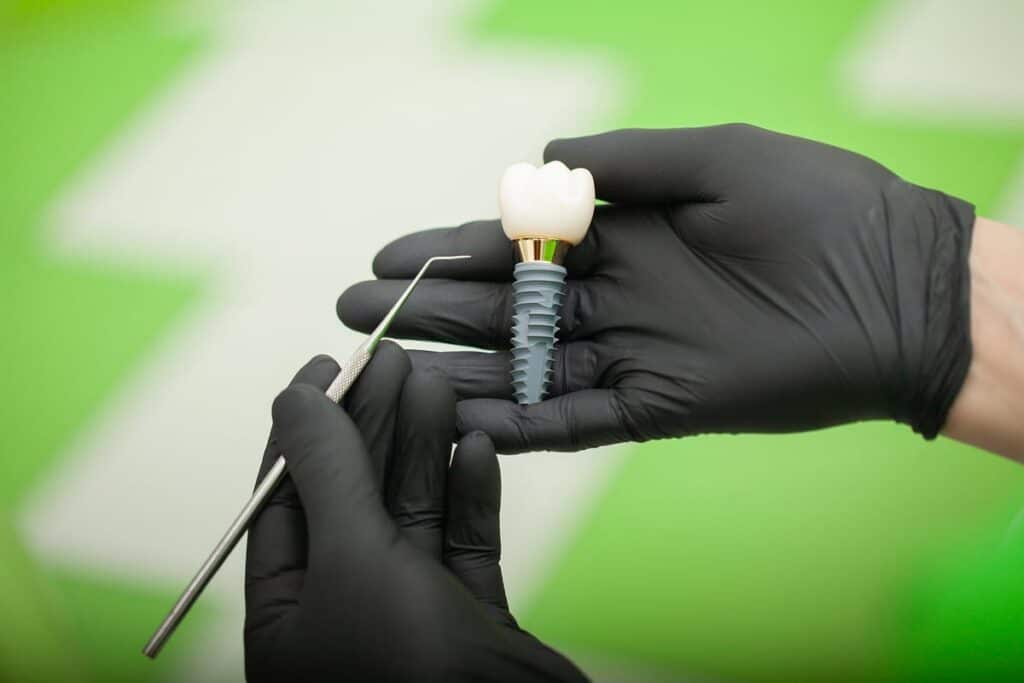
Getting dental implants is one of the best decisions you can make for your smile. But the procedure is only half the journey. Your dental implant recovery guide — covering what to expect week by week in Olds — is just as important as the placement itself. At West Olds Dental, Dr. Olivia Cui helps patients feel confident and prepared every step of the way. Knowing what lies ahead makes healing smoother and less stressful.
Week-by-Week Dental Implant Recovery: What Olds Patients Can Expect
Recovery from dental implants follows a predictable pattern. Understanding each phase helps you stay calm and on track. Most patients in Olds find that following a clear timeline makes a big difference in their comfort and results.
Week 1: This is the most intense phase of healing. You will likely experience swelling, mild bleeding, and soreness around the implant site. These reactions are completely normal and expected. Rest as much as possible and follow Dr. Cui’s post-operative instructions carefully.
Week 2: Swelling begins to subside significantly. Many patients notice they can eat a slightly wider variety of soft foods. Discomfort is usually manageable with over-the-counter pain relievers. Keep the area clean using the gentle rinsing techniques your dental team recommends.
Weeks 3–4: Most visible symptoms fade during this period. Your gums continue to heal beneath the surface. You may still feel some minor tenderness, but daily life becomes much more comfortable. Attend any follow-up appointments Dr. Cui schedules during this window.
What to Eat During Your Dental Implant Recovery in Olds
Your diet plays a critical role in how well and how quickly you heal. Choosing the right foods protects the implant site and supports tissue regeneration. Here is a practical breakdown of what works best at each stage.
- Days 1–3: Stick to liquids and very soft foods like yogurt, smoothies, broth, and applesauce.
- Days 4–7: Introduce mashed potatoes, scrambled eggs, soft pasta, and cooked vegetables.
- Weeks 2–4: Gradually add softer proteins like fish, ground meat, and tofu.
- After Week 4: Slowly reintroduce normal foods as your dentist approves.
Avoid hard, crunchy, chewy, or sticky foods throughout your recovery. These can disturb the implant site and slow healing. Hot beverages and alcohol should also be avoided in the first few days. Always follow Dr. Cui’s personalized dietary guidance above general advice.
Managing Pain and Swelling After Implant Placement
Pain and swelling are natural parts of the healing process. The good news is that most patients find them very manageable. A few simple strategies make a significant difference in your comfort levels.
Apply an ice pack to your cheek in 20-minute intervals during the first 24–48 hours. This reduces swelling and numbs minor discomfort effectively. Keep your head elevated when lying down to minimize fluid pooling around the site. Sleeping with an extra pillow for the first few nights is a simple and helpful trick.
Take pain medication exactly as prescribed or recommended by Dr. Cui. Do not wait until pain becomes severe before taking your medication. Staying ahead of discomfort is far more effective than trying to catch up. If pain worsens significantly after day three, contact our West Olds Dental team promptly.
If you ever experience severe pain, unusual swelling, or signs of infection, seek Emergency Dentistry support right away. Catching complications early protects your implant and your overall health. Dr. Cui and the West Olds Dental team are here to help whenever concerns arise.
Long-Term Care Tips to Protect Your Dental Implant
Once you move past the initial recovery weeks, your focus shifts to long-term implant care. Implants can last a lifetime with the right habits in place. Building a strong daily routine protects your investment and keeps your smile healthy for years to come.
- Brush your teeth twice daily using a soft-bristled toothbrush.
- Floss around the implant carefully every day to prevent plaque buildup.
- Use a non-abrasive toothpaste to avoid scratching the implant surface.
- Visit West Olds Dental for regular cleanings and check-ups every six months.
- Avoid chewing on ice, hard candies, or other extremely firm items.
- Quit smoking if applicable, as it significantly increases the risk of implant failure.
Osseointegration — the process of the implant fusing to your jawbone — takes three to six months to complete fully. During this time, following your care routine diligently is especially important. Dr. Cui will monitor your progress at each follow-up visit. She will let you know when your implant has fully integrated and is ready for full use.
Many patients also explore Cosmetic Dentistry options to complement their new implant. Whitening, veneers, or other enhancements can help your restored tooth blend beautifully with surrounding teeth. Dr. Cui can discuss personalized cosmetic options during your consultation. A complete smile transformation is absolutely possible at West Olds Dental.
When to Call Your Dentist During Recovery
Most dental implant recoveries go smoothly without complications. However, it is important to know when something needs professional attention. Never hesitate to reach out to West Olds Dental if something feels off.
Contact Dr. Cui’s office if you notice any of the following warning signs:
- Swelling that worsens after the first 72 hours instead of improving
- Persistent bleeding that does not slow down with gentle pressure
- Signs of infection such as pus, fever, or a bad taste near the site
- The implant or crown feels loose or shifts position
- Numbness or tingling that lasts beyond the first few days
These signs do not necessarily mean something has gone seriously wrong. But they do warrant a prompt evaluation from your dental team. Early intervention almost always leads to better outcomes. Dr. Cui is experienced in identifying and addressing any complications efficiently.
Conclusion: Heal Confidently with the Right Support
Your dental implant recovery journey is manageable when you know what to expect. Following a week-by-week plan, eating the right foods, managing discomfort proactively, and caring for your implant long-term all lead to lasting success. The team at West Olds Dental is committed to guiding every Olds patient through recovery with compassion and expertise. Book Now to schedule your appointment with our team.
Frequently Asked Questions
How long does dental implant recovery take in total?
Most patients experience the most significant healing within the first two to four weeks. However, full osseointegration — where the implant fuses completely with your jawbone — takes three to six months. Your daily comfort level improves much sooner than that milestone. Dr. Cui will monitor your progress at every stage.
Is dental implant recovery painful?
Some discomfort is normal, especially during the first few days after placement. Most patients manage it well with over-the-counter pain relievers and ice packs. Severe or worsening pain after day three is not typical and should be reported to your dentist. Dr. Olivia Cui’s team at West Olds Dental ensures every patient has clear pain management guidance before leaving the office.
What foods should I avoid after getting a dental implant?
Avoid hard, crunchy, sticky, and chewy foods throughout your initial recovery period. Examples include chips, raw carrots, caramel, and tough meats. Hot beverages and alcohol should also be limited in the first few days. Your dentist will give you a personalized list based on your specific procedure.
Can I brush my teeth after a dental implant procedure?
Yes, but with care and caution. Avoid brushing directly over the implant site for the first 24 hours. After that, use a soft-bristled toothbrush and gentle pressure around the area. Dr. Cui will provide specific oral hygiene instructions tailored to your recovery needs.
When can I return to normal activities after dental implant surgery?
Most patients return to light daily activities within one to two days. Strenuous exercise should be avoided for at least one week to reduce swelling and bleeding risks. Every patient heals at a slightly different pace, so follow Dr. Cui’s personalized recommendations. Listen to your body and do not rush the recovery process.